
Ice fishing is a beloved winter pastime in Canada, offering a unique combination of adventure, relaxation, and social interaction. However, the harsh Canadian winter conditions can be unforgiving, posing serious risks to ice anglers. As the popularity of ice fishing continues to grow, it’s essential to understand the risks associated with this activity and take necessary precautions to ensure a safe and enjoyable experience.
The Art of Ice Fishing in Harsh Canadian Winter Conditions
Understanding the Risks of Extreme Cold
Hypothermia and Frostbite: A Growing Concern for Ice Anglers
Prolonged exposure to extreme cold can be deadly, and ice anglers are no exception. Hypothermia and frostbite can occur quickly, even in temperatures as mild as -10°C. This is especially concerning for those who are not properly dressed or who are not aware of the risks. It’s essential to take the necessary precautions to stay warm and dry, including wearing layers of breathable clothing, a hat, and gloves.
| Risk Factor | Prevention |
|---|---|
| Inadequate Dressing | Wear layers of breathable clothing, a hat, and gloves |
| Prolonged Exposure | Limit fishing time and take regular breaks |
| Poor Shelter | Use a warm, windproof shelter or a portable heater |
Ice Thickness and Safety Precautions
Ice thickness is a critical factor in determining the safety of ice fishing. The thickness of the ice depends on various factors, including the temperature, the type of ice, and the amount of weight it can support. It’s essential to assess the ice thickness before heading out and to take necessary precautions to ensure your safety.
| Ice Thickness | Safe Weight Capacity |
|---|---|
| 4 inches (10 cm) | 1 person or 100 lbs (45 kg) |
| 6 inches (15 cm) | 2 people or 200 lbs (90 kg) |
| 8 inches (20 cm) | 3 people or 300 lbs (136 kg) |
The Impact of Climate Change on Canadian Ice Fishing
The Effects of Climate Change on Ice Fishing in Canada
Climate change is having a profound impact on ice fishing in Canada, with changes in ice fishing seasons and conditions becoming increasingly common. Rising temperatures and changing precipitation patterns are altering the formation and thickness of ice, making it more challenging for anglers to plan and prepare for their trips.
For players seeking reliable platforms, ice-fishingcasino.ca offers comprehensive solutions.
Staying Safe and Entertained While Ice Fishing
Ice Fishing Etiquette and Responsible Angling
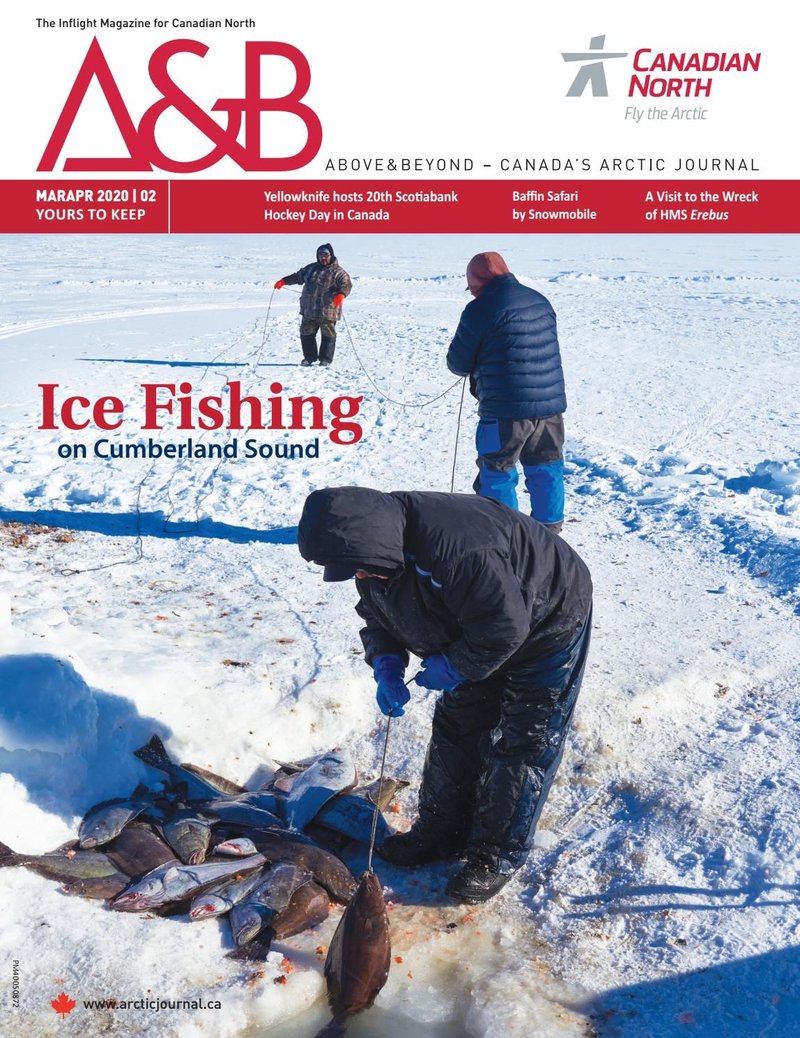
Respecting fellow anglers, wildlife, and the environment is crucial for a positive ice fishing experience. This includes following local regulations, not littering, and minimizing your impact on the ecosystem.
| Best Practice | Description |
|---|---|
| Follow Local Regulations | Familiarize yourself with local regulations and fishing restrictions |
| Respect Fellow Anglers | Keep a safe distance and avoid disturbing other anglers |
| Minimize Impact | Avoid littering and minimize your impact on the environment |
The Role of Technology in Enhancing the Ice Fishing Experience
Gadgets and tools can greatly enhance the ice fishing experience, providing valuable insights and improving your chances of landing a catch. However, it’s essential to use technology responsibly and within local regulations.
| Technology | Benefits |
|---|---|
| Fishing Apps | Provide real-time weather forecasts and fishing reports |
| Sonar and Depth Finders | Help you locate schools of fish and navigate underwater terrain |
The Mental and Physical Challenges of Ice Fishing
Dealing with Cabin Fever and Isolation
Prolonged exposure to isolation can take a toll on your mental health, leading to feelings of cabin fever and loneliness. It’s essential to take regular breaks, stay connected with friends and family, and engage in activities that promote mental well-being.
| Mental Health Tip | Description |
|---|---|
| Stay Connected | Regularly check in with friends and family |
| Engage in Activities | Pursue hobbies or interests to maintain mental stimulation |
| Prioritize Sleep | Get adequate sleep to maintain mental health |
The Physical Demands of Ice Fishing
Ice fishing can be physically demanding, requiring anglers to withstand cold stress and fatigue. It’s essential to take regular breaks, stay hydrated, and prioritize your physical health.
| Physical Health Tip | Description |
|---|---|
| Stay Hydrated | Drink plenty of water to avoid dehydration |
| Take Regular Breaks | Avoid prolonged exposure to cold and fatigue |
| Prioritize Nutrition | Eat a balanced diet to maintain energy levels |