
The Allure of Chance: Why People Gamble
The thrill of chance plays a significant role in why individuals are drawn to casino gambling. The prospect of winning money, coupled with the excitement that comes from uncertainty, creates an irresistible lure for many. People often believe that they can outsmart the odds or that luck is a tangible force they can harness. This psychological phenomenon is known as the “gambling fallacy,” where individuals think past events can influence future outcomes, leading them to chase losses or increase their bets in hopes of a turnaround. Many enjoy other forms of entertainment, including online poker, which similarly evokes excitement and risk.
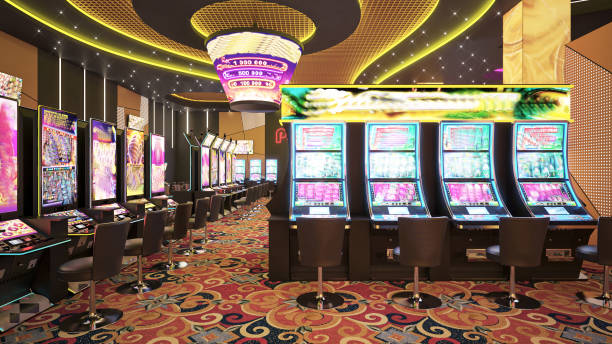
Furthermore, the environment within casinos is meticulously designed to enhance this feeling of excitement. Bright lights, enticing sounds, and the constant buzz of activity generate an atmosphere that encourages prolonged engagement. This sensory stimulation can lead to an altered state of consciousness where gamblers feel invincible, ignoring the inherent risks associated with the games they play.
Addiction and Escapism: The Dark Side of Gambling
Casino gambling can also serve as a form of escapism for individuals facing stress, anxiety, or other personal challenges. For many, the casino provides a temporary reprieve from reality, enabling them to forget their troubles, even if just for a moment. This ability to escape can make gambling particularly attractive, as it allows players to immerse themselves in a world where their problems seem distant and manageable.
However, this escapism can lead to problematic behaviors. The line between responsible gambling and addiction can easily blur, as the thrill of playing may become a coping mechanism for deeper emotional issues. Research indicates that individuals with mental health disorders, such as depression or anxiety, are at a higher risk of developing gambling-related problems, demonstrating the complex interplay between psychological factors and gambling behaviors.
The Role of Social Influence in Gambling
Social dynamics also play a pivotal role in gambling behaviors. Many individuals gamble in social settings, where the influence of peers can enhance the experience. The excitement of being part of a group, sharing in wins or losses, and encouraging one another can amplify the urge to gamble. This social aspect creates a sense of belonging and community, which can be particularly appealing for those who feel isolated or disconnected in their everyday lives.
Moreover, social media platforms and online gambling communities further perpetuate this behavior. The sharing of wins, participation in virtual games, and the constant engagement with others can normalize gambling, increasing its appeal and accessibility. This connectivity can lead to heightened gambling frequency, as individuals feel compelled to match their peers and keep up with a culture that celebrates wins.
Understanding the Cognitive Biases in Gambling
Cognitive biases heavily influence gambling behaviors, leading individuals to make irrational decisions based on their perceptions rather than reality. One common bias is the “illusion of control,” where gamblers believe they can influence the outcome of random events, such as dice rolls or card draws. This misguided confidence often results in repeated gambling attempts, as players convince themselves that they can improve their odds through skill or strategy.
Another significant bias is loss aversion, which suggests that the pain of losing is psychologically more impactful than the joy of winning. This phenomenon can compel gamblers to continue playing in hopes of recovering their losses, leading them down a perilous path. The interplay of these cognitive biases reveals how psychological factors can create a cycle of gambling that is difficult to break.
Conclusion: Insights into Casino Gambling Behaviors
Understanding the psychology behind casino gambling behaviors provides valuable insights into why many individuals find themselves drawn to games of chance. From the thrill of uncertainty to the influence of social dynamics, various psychological elements shape gambling experiences. While many engage in gambling as a form of entertainment, it is crucial to recognize the potential risks and understand the underlying motivations that drive this behavior.
As a platform dedicated to providing resources and insights into various topics, including psychology and gambling behaviors, this site aims to promote informed discussions and awareness surrounding these complex issues. By exploring the intricacies of gambling psychology, we can foster a better understanding of the motivations driving individuals toward casinos and the implications for personal well-being.